

Co-founded by Jenny He and technology entrepreneur Odysseas Tsatalos, Ergeon combines digital project planning, transparent estimates and local installation networks to simplify outdoor home improvement across the United States.
The American home improvement industry remains heavily dependent on local contractors, manual estimates and fragmented project coordination. Ergeon, a technology-enabled construction services company co-founded by Jenny He and Odysseas Tsatalos, is building a different operating model by combining digital tools with professional installation services.
The company focuses on outdoor improvement projects, including fencing, decking and other residential installations. According to its published company figures, Ergeon has completed more than 41,000 outdoor projects and expanded its service coverage to approximately 50 million single-family homes across the United States.
Its approach reflects a broader opportunity in construction technology: improving how customers and contractors plan, price and deliver relatively small projects without removing skilled tradespeople from the process.
From Personal Frustration to a Construction Technology Business
Ergeon’s origins are closely connected to the experiences of its two co-founders.Jenny He, the company’s chief executive officer, encountered the difficulties of residential renovation while managing improvements to her own home. Unclear estimates, inconsistent communication and complicated project coordination exposed problems that extended beyond a single contractor or property.
Rather than approaching the issue exclusively as a technology problem, He became a licensed contractor to understand the operational challenges facing the industry.
Her background combines computer science and management consulting. Before establishing Ergeon, she spent seven years at McKinsey, primarily working with industrial businesses.
Co-founder and chief technology officer Odysseas Tsatalos brought experience from building software companies. He previously co-founded Upwork and Intacct, the accounting software company acquired by Sage.
Tsatalos’s interest in construction developed partly through conversations with a contractor during a personal home improvement project. Those discussions highlighted the difficulties skilled installers face when trying to grow their businesses while managing customer acquisition and administrative work.
Together, the founders identified an opportunity to combine software, centralised project management and local contracting expertise.
How Ergeon’s Technology-Enabled Installation Model Works
Ergeon’s business model addresses several stages of a construction project that are traditionally managed through separate interactions.
Customers can use digital tools to explore fencing options, estimate project costs and discuss requirements remotely. The company’s technology supports virtual consultations, project visualisation and coordination between customers and installation professionals.
Rather than relying exclusively on traditional in-person sales visits, Ergeon uses remote assessments and centralised support to organise projects before physical installation begins.
Local contractors carry out the installation work, while Ergeon manages the customer relationship, estimating process and broader project coordination.
This structure creates a distinction between Ergeon and a conventional online directory of contractors. The company is not simply introducing customers to service providers; it takes a more active role in managing the delivery process.
For customers, the intended benefits include clearer pricing, easier communication and greater visibility into project progress. For installers, the model can reduce the time spent on sales, administration and customer coordination.
The commercial challenge is maintaining consistent installation quality across different markets, where labour availability, building regulations, materials and customer expectations can vary.
Ergeon’s Funding and Business Expansion
Ergeon’s development has been supported by venture capital. In June, the company had raised approximately $53 million in total funding, including a $40 million Series B financing round. At the time, Ergeon was expanding beyond its early markets in California and Texas into Georgia.
The funding provided a foundation for developing its technology platform, expanding operations and supporting a distributed workforce. The company’s subsequent growth illustrates the difference between its earlier operating scale and its more recent reported reach.
Ergeon’s published service areas now span numerous U.S. states, reflecting an expansion beyond its original regional footprint. Its offerings also extend beyond fencing into products such as wooden decks, artificial grass and concrete work.
The company’s commercial services address another potential customer segment, including builders, property managers and general contractors requiring installation support across multiple locations.
A Global Workforce Supporting Local Construction
One distinctive element of Ergeon’s operating model is the combination of local installation professionals with a geographically distributed corporate workforce.
The company says its global team spans more than 35 countries, supporting functions that can be managed remotely while installation work remains local.
This division of responsibilities is particularly relevant in construction, where many activities require physical presence but sales, design, customer support, scheduling and administrative coordination can increasingly be managed through software.
For Ergeon, the model creates opportunities to standardise customer-facing processes across multiple markets while relying on local expertise for materials, building codes and installation practices.
However, geographic expansion also introduces operational complexity. A larger service footprint requires dependable installer relationships, quality controls and consistent customer support.
Technology can make these processes easier to coordinate, but successful execution continues to depend on the capabilities of the contractors performing the work.
What Ergeon’s Model Means for the Construction Industry
Ergeon’s development highlights how construction technology businesses can pursue growth without attempting to automate the physical work of construction itself.
Much of the company’s technology is directed towards the activities surrounding installation: estimating, project visualisation, communication, scheduling and service coordination.
These processes are important because smaller residential projects may not justify the expense of hiring a dedicated general contractor, yet still require multiple decisions and reliable oversight.
By centralising these functions, Ergeon seeks to make relatively standardised outdoor projects easier to purchase and manage.
Its approach also offers a possible route to growth for skilled local installers who want access to customers without independently building extensive sales and administrative operations.
The model nevertheless carries execution risks. Digital estimates must reflect real site conditions, service quality must remain consistent across different contractors, and expansion must be supported by sufficient installation capacity.
Ergeon’s publicly reported project volume and geographic reach suggest that its model has progressed beyond an early-stage experiment. Those figures alone, however, do not establish profitability, customer retention or long-term operating margins.
Ergeon’s Next Phase
Ergeon’s longer-term opportunity lies in extending its technology-enabled service model while maintaining reliability as project volume and geographic coverage increase.
The company’s expansion into multiple outdoor improvement categories and commercial installation services indicates a business model with applications beyond its original fencing focus.
For co-founders Jenny He and Odysseas Tsatalos, the central proposition remains consistent: use technology to reduce friction in construction while keeping experienced tradespeople at the centre of project delivery.
Whether Ergeon can sustain that approach at greater scale will depend on the economics of its installation network, the effectiveness of its digital systems and its ability to deliver consistent results across local markets.
Its progress illustrates an important direction in construction technology, where innovation is increasingly focused not only on how structures are built, but also on how construction services are purchased, organised and delivered.
Related Stories
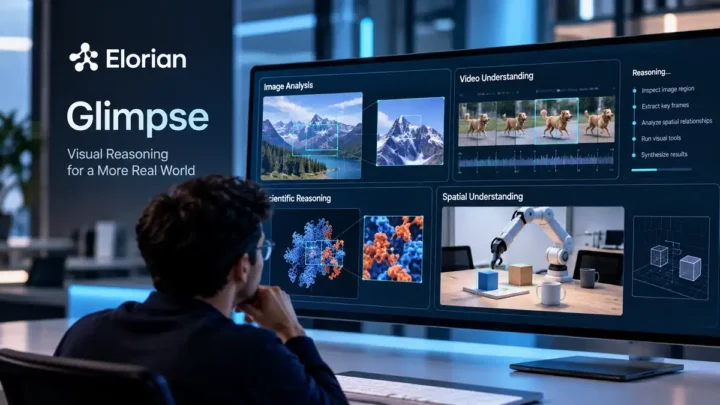
Elorian Unveils Glimpse After Raising $55 Million for Visual AI Development

Intero Biosystems Wins TechCrunch Disrupt 2026 Startup Battlefield and $100,000 Prize

Dublin International AI Summit 2026 Hosts Global Leaders to Address AI Innovation, Safety and Regulation