
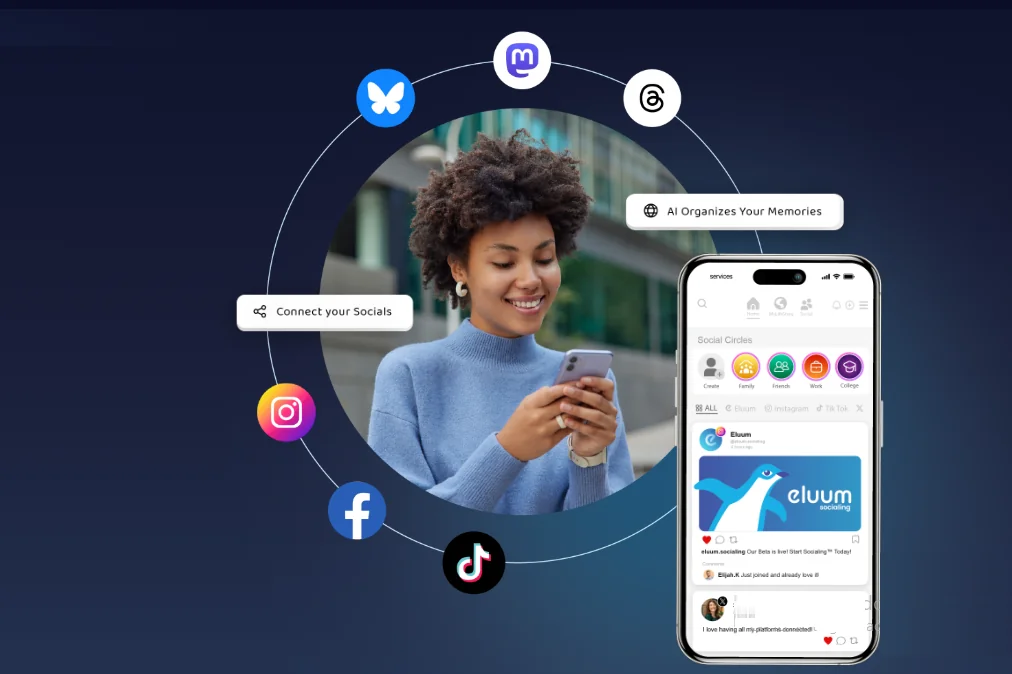
Founded by former Microsoft professionals and other technology executives, Eluum is developing an AI-powered platform that organizes fragmented digital content into personalized life stories while emphasizing user control.
Seattle-based startup Eluum has developed an artificial intelligence platform that brings together photographs, videos, social media posts and personal experiences into a unified record. The company has introduced MyLifeStory, a feature designed to organize fragmented digital memories into personalized narratives.
Led by co-founder and CEO Bilkay Rose, Eluum aims to address the growing challenge of preserving digital memories scattered across devices and online platforms. The startup outlined its technology and business strategy in an October 2026 interview with GeekWire.
Eluum’s MyLifeStory Organizes Digital Experiences
People increasingly document their lives through smartphones, social networks and cloud storage. However, these records often remain scattered across applications, making meaningful experiences difficult to organize and revisit.
Eluum’s MyLifeStory feature seeks to connect photographs, videos, social posts and contextual information into a continuously evolving personal history.
Unlike conventional photo-storage platforms, the service focuses on relationships between experiences, people, locations and significant events.
The application is available through iOS, Android and web platforms, allowing users to access their digital memories across devices.
Lumi AI Connects Personal Digital Memories
Artificial intelligence powers an important part of Eluum’s technology. The startup has developed Lumi, an AI-powered companion that helps users organize disconnected memories and build coherent personal narratives.
Rather than simply storing digital files, Lumi is designed to identify connections between experiences and provide additional context.
The approach reflects growing interest in AI applications that extend beyond workplace productivity and content generation.
Similar developments in autonomous software are evident in Atrium’s use of AI agents in business operations, illustrating how companies are applying artificial intelligence to increasingly specialized tasks.
Former Microsoft Professionals Lead Eluum
Eluum’s founding team brings experience in software development, technology management and corporate communications.
CEO Bilkay Rose previously worked at Microsoft and Avalara. She developed the concept after encountering difficulties organizing years of family photographs and digital experiences.
Co-founder and CTO Dale Rector is a former Microsoft software engineer, while co-founder Jennifer Gianola previously worked in investor relations.
The startup operates with a small team of founders, employees and contractors. Eluum remains bootstrapped and has not disclosed external institutional funding.
The company uses AI-assisted development tools to support engineering and product design, allowing its team to develop software without maintaining a large workforce.
Eluum Targets the Growing Digital Memory Market
Eluum is entering a market dominated by established technology platforms offering photo storage, social networking and cloud-based personal information management. Its differentiation lies in connecting content from different sources and organizing it around individual experiences rather than isolated files.
However, managing personal memories also introduces privacy and security challenges. Digital archives can contain sensitive photographs, location histories and information about family members or personal relationships.
Eluum emphasizes user control over personal information, although its security practices and long-term data protection capabilities require independent evaluation.
The company must also demonstrate that its AI-powered approach offers sufficient advantages over existing consumer applications.
Eluum Faces Its Next Growth Challenge
Eluum has established its initial product offering, but its commercial performance remains unclear. The startup has not publicly disclosed revenue, paying customer numbers or detailed user growth figures in the reviewed reporting.
Its next challenge will be converting product interest into sustained adoption while developing a commercially viable business model. For the broader startup industry, Eluum demonstrates how artificial intelligence is creating opportunities in personal information management.
Whether the company can translate its digital memory technology into a scalable consumer platform will depend on user engagement, product reliability and trust.
Related Stories
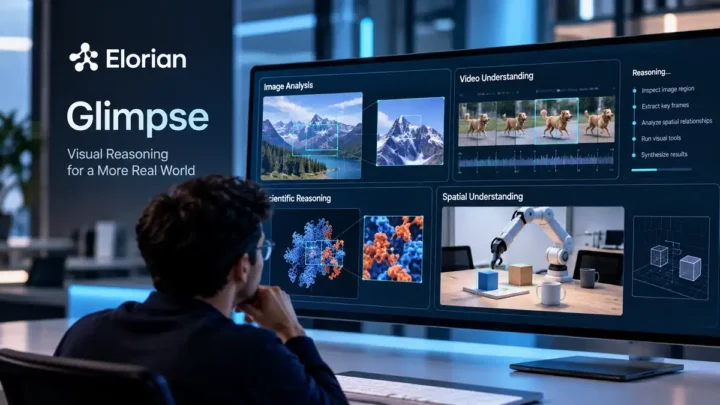
Elorian Unveils Glimpse After Raising $55 Million for Visual AI Development

Intero Biosystems Wins TechCrunch Disrupt 2026 Startup Battlefield and $100,000 Prize

Dublin International AI Summit 2026 Hosts Global Leaders to Address AI Innovation, Safety and Regulation